


Key Points
- Google’s Ads Decoded podcast tackles the clash between attribution, incrementality, and MMM for a unified measurement approach.
- Introducing Qualified Future Conversions helps capture longer purchase journeys, shifting focus from short‑term ROAS to a “plant‑the‑seed” mindset for media spend.
- The bonus episode on Meridian shows how AI coding tools, data variance awareness, and strategic testing can simplify Google’s open‑source MMM for advertisers.
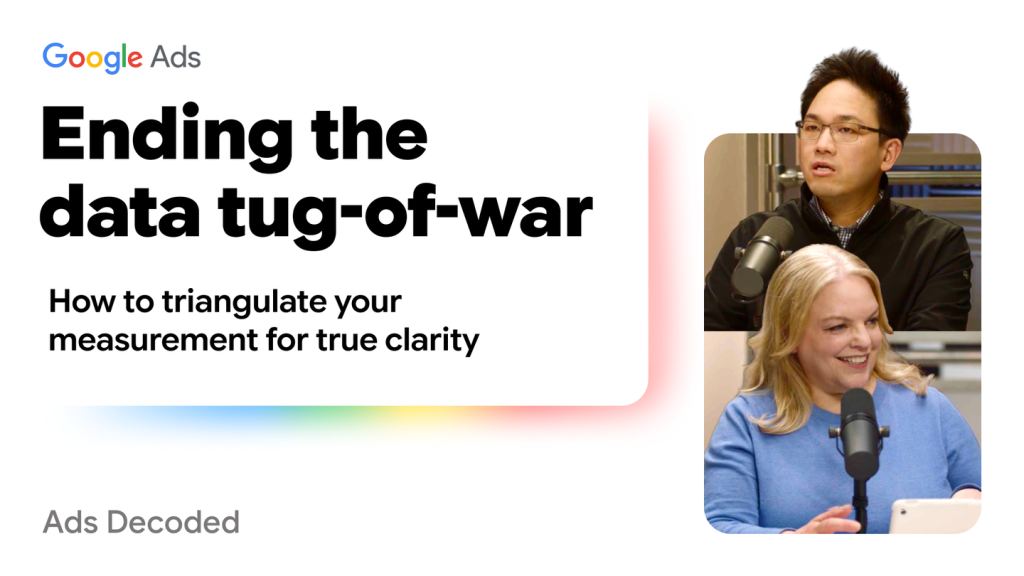
In a recent Ads Decoded episode, Ginny Marvin, Ads Product Liaison, sits down with John Chen, Senior Director of Product Management for Ads Measurement. They lay out why marketers need a measurement stack that pulls together three core techniques—attribution, incrementality, and media mix models (MMM). Each method offers a different view of campaign performance, and when they conflict, it can be hard to know which numbers to trust. The conversation highlights a new concept called Qualified Future Conversions, which aims to capture the full customer journey rather than just the immediate click.
Chen explains that treating media spend like planting seeds makes more sense than chasing short‑term ROAS. Instead of measuring only immediate sales, advertisers should look at how their spend influences actions that happen weeks or months later. This long‑term view helps smooth out the noise caused by the competing measurement tools and gives a clearer picture of true business impact.
A companion episode adds another layer of insight. Patrick Gilbert and Nechama Teigman from AdVenture Media dive into Meridian, Google’s open‑source MMM. They describe how AI coding tools are breaking down technical barriers, letting teams build and tweak models without needing deep engineering expertise. Data variance is highlighted as the real driver of model reliability—more than the size of the advertising budget. The duo also shares practical steps for planning the next strategic test, emphasizing the importance of clean data and realistic hypotheses.
For users of ChromeOS and the Chrome browser, these measurement advances mean better insights into how ads performed across Google’s ecosystem. Whether an ad appears on a Chromebook, a YouTube video, or a Chrome extension, the unified measurement stack can attribute value more accurately, helping developers and marketers make smarter budget decisions.
The episode wraps up with a clear call to action: start building your own measurement stack by integrating attribution, incrementality, and MMM data. Use Qualified Future Conversions to capture longer paths, and experiment with Meridian to simplify model creation. By focusing on long‑term impact rather than fleeting ROAS spikes, advertisers can cultivate healthier growth that mirrors the way customers actually make decisions.
Marketers who adopt these practices will find it easier to justify spend, optimize campaigns, and stay ahead of competitors in an increasingly data‑driven landscape.
You can also check out our list of the Best Instagram Extensions, Best Pinterest Exensions & the Best AI Extensions.