


Key Points
- Google launched the new detector worldwide, letting anyone check if media was created by AI.
- Over 180 billion images and videos plus 240,000 years of audio have already received invisible watermarks.
- The tool works with Chrome, Search, and other apps, handling more than one million checks each day.
- Users can now rely on clearer media labels, building stronger trust and confidence when browsing the web.
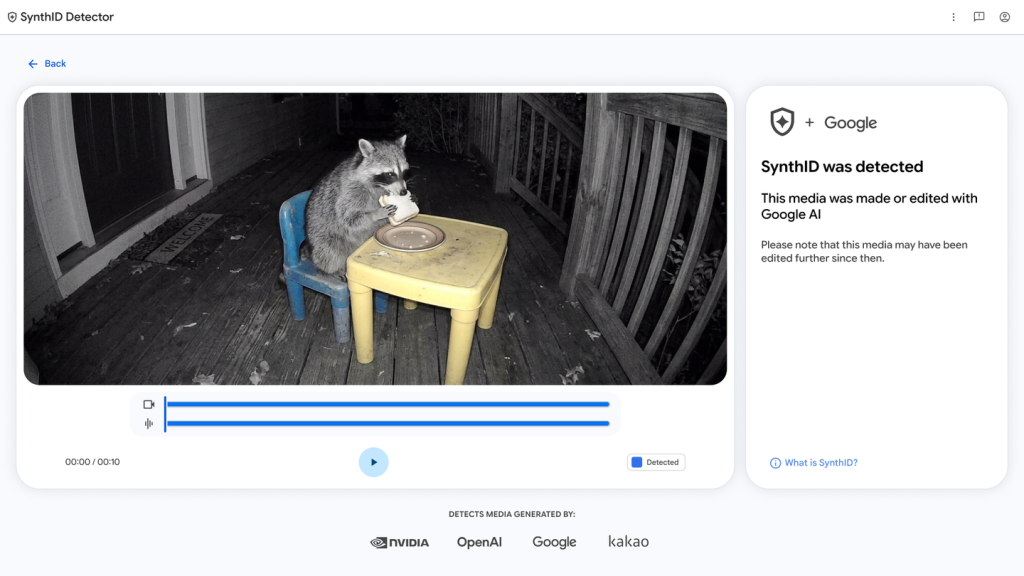
Google announced the release of the global availability of the SynthID Detector, a system that scans images, videos, and audio files for hidden AI signatures. The service aims to improve media verification so people can tell whether a piece of content was made by artificial intelligence or by a human creator. By making the technology open to everyone, Google hopes to reduce confusion and misinformation online.
Since its debut, the program has applied watermarks to more than 180 billion pictures and videos and to 240,000 years worth of sound recordings. These invisible tags are placed automatically and cannot be removed without breaking the original file. The project also collaborates with several technology firms such as OpenAI, NVIDIA, Kakao, and soon Apple, ensuring broad coverage of AI‑generated material.
The detector integrates directly into Chrome, allowing users to scan a link or file instantly. It also runs inside Search, where results can show whether a source uses synthetic media. With more than one million requests handled each day, the platform provides fast feedback while staying secure and private.
For everyday internet users, the biggest gain is clearer labeling of content. When a picture or video carries a reliable watermark, people can feel more trust and confidence when sharing information. Taking advantage of the free tool means you can quickly spot fake or altered media and protect yourself from deceptive posts.
You can also check out our list of the Best Instagram Extensions, Best Pinterest Exensions & the Best AI Extensions.