


Key Points
- Google and NASA created an AI model to find methane leaks from space.
- The model detects 50% more methane plumes than human experts.
- Data and tools are available on Google Earth Engine, Kaggle, and GitHub.
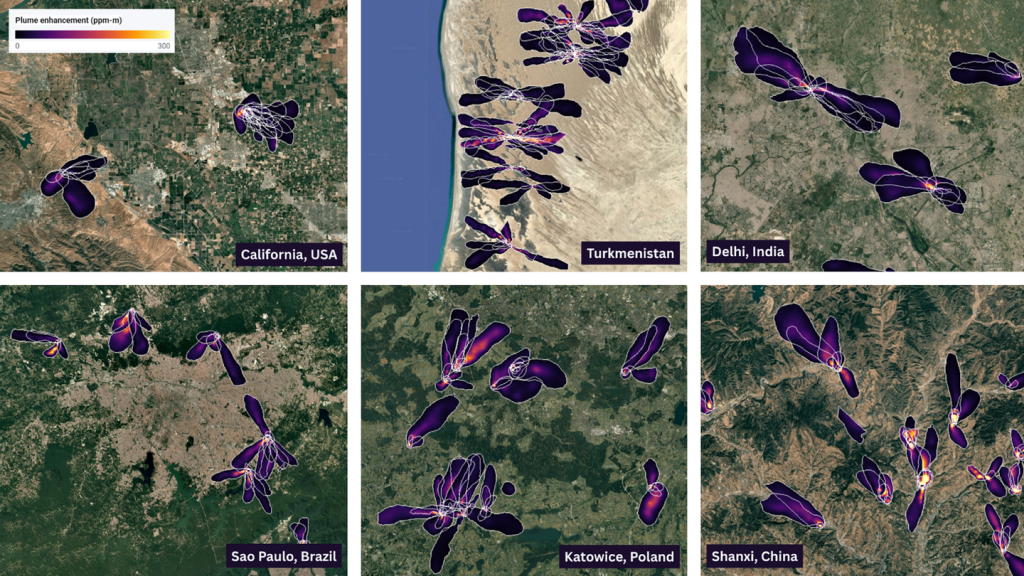
A new study published in PNAS shows how Google and NASA’s Jet Propulsion Laboratory (JPL) are working together to tackle a major environmental threat. They have introduced MAPL-EMIT, an AI model designed to track methane emissions from space using NASA’s EMIT instrument. Methane is a dangerous gas that contributes heavily to global warming. By looking at the Earth from orbit, this AI can find places where methane is leaking. This project highlights how Google is expanding its reach into environmental monitoring. It proves that the Google ecosystem is not just about web browsing, but also about solving real-world problems like global warming. The collaboration between a tech giant and a space agency shows how powerful technology can be when used for the greater good.
Methane is a potent greenhouse gas. Over a 100-year timeframe, its warming potential is 30 times greater than that of carbon dioxide. This makes finding and fixing methane leaks incredibly important for slowing down climate change. MAPL-EMIT tackles a critical bottleneck in methane detection. Traditional methods often struggle with complex, noisy terrain, but this AI model is different. It was trained on 3.6 million physics-simulated methane plumes, which are clouds of methane gas released into the atmosphere. Because of this extensive training, the model cuts through the noise to detect 50% more plumes than human experts. It has already identified more than 23,000 additional plumes globally, including 24 out of 25 of the world’s largest-emitting landfills. By making methane sources easier to find at scale, Google AI enables faster, more targeted climate mitigation. This means we can stop leaks before they cause too much damage.
Google has released the global plume database on Earth Engine alongside an Earth Engine app to visualize the data. Making data accessible is just as important as collecting it. The Earth Engine app allows users to see the methane plumes on a map, making the information easy to understand for everyone. Open-source models are available on Kaggle, which gives developers the chance to build on top of this research. Inference tools are also on GitHub to support researchers, policymakers, and operators who need to act on this information quickly. This open approach ensures that the Earth Engine platform can contribute to climate solutions, turning a complex space mission into a collaborative global effort. When data is shared freely, it empowers people around the world to make informed decisions about the environment.
As climate change accelerates, having tools that can spot pollution from space is no longer a luxury but a necessity. The release of these open-source tools and databases means that anyone with an internet connection can access cutting-edge climate data. This shift towards transparent and shared technology is exactly what is needed to tackle global challenges. We are entering an era where space-based monitoring can guide immediate action on the ground. Readers should explore these resources and consider how open data can drive meaningful action in their own communities. It is up to all of us to use this information wisely and push for faster changes in how we handle greenhouse gases. The future of our planet depends on the tools we build and the data we share today. By taking small steps now, we can ensure a healthier world for generations to come.
You can also check out our list of the Best Instagram Extensions, Best Pinterest Exensions & the Best AI Extensions.