


Key Points
- Emoji use has shifted from literal to emotionally nuanced, with symbols like 😭 and 🥀 replacing older icons to reflect modern communication styles.
- Google introduced 3D emoji models to enhance emotional expression while avoiding photorealism, based on user research about design clarity.
- The transition to 3D required solving new design challenges, such as defining the backside of emojis, to maintain their expressive purpose.
Emoji have become the silent language of our digital interactions, evolving far beyond their original purpose. Once used to convey straightforward actions—a nail polish emoji meant you painted your nails—they now serve as layers of emotional context. On World Emoji Day, we explore how these symbols shape modern communication, with Google’s latest 3D designs leading the way in blending creativity with function.
The way we express ourselves online has grown more theatrical. Laughter isn’t enough; people prefer emojis like 😂 or 😭 to capture intense reactions. Data from Gboard Federated Analytics shows the tears of joy emoji (😂) has declined in use, overtaken by the loudly crying face (😭), which embodies both humor and despair. Even heartbreak emojis have shifted: the broken heart (💔) is being replaced by the wilted flower (🥀), reflecting a craving for poetic understatement. These changes mirror how we navigate emotions in a hyper-connected, often overwhelming world.
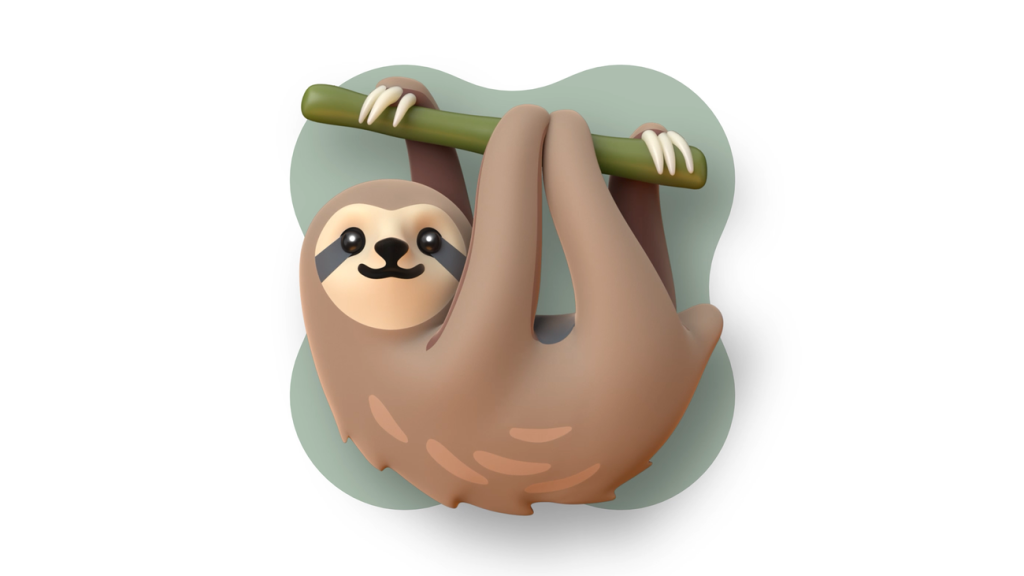
Google’s Noto Emoji 3D project reimagines classic symbols without losing their charm. The team prioritized expressive design over realism, knowing that the brain processes emoji faster than text. A 3D kangaroo, for example, avoids the “terrifying” realism of its real-life counterpart, opting for playful proportions instead. User studies revealed that people prefer full-body animal emoji over floating heads and that small tweaks—like eye direction—can drastically impact meaning. These insights guided the shift from flat 2D designs to interactive 3D models, ensuring emoji remain universally understandable.
Moving to three dimensions posed unique challenges. Designers had to answer questions like, “What does the back of a smiley face look like?” Is it a mask, a solid ball, or paper-thin? Solving such details was critical for maintaining emoji’s core purpose: clear, emotional communication. While the process still starts with 2D sketches, it now extends into 3D modeling, offering a richer canvas for creativity.
As emoji continue to evolve, their role in bridging digital and emotional gaps remains vital. Whether through bold new designs or subtle shifts in meaning, they reflect our need for connection in an increasingly screen-mediated world. For users, this means more tools to convey tone—though interpreting the “soul” of a 3D parrot may take time.
You can also check out our list of the Best Instagram Extensions, Best Pinterest Exensions & the Best AI Extensions.