


Key Points
-SFMOMA pairs with Google to use AI and animate Matisse works.
- The project uses Veo tech and offers educational depth for deeper insight.
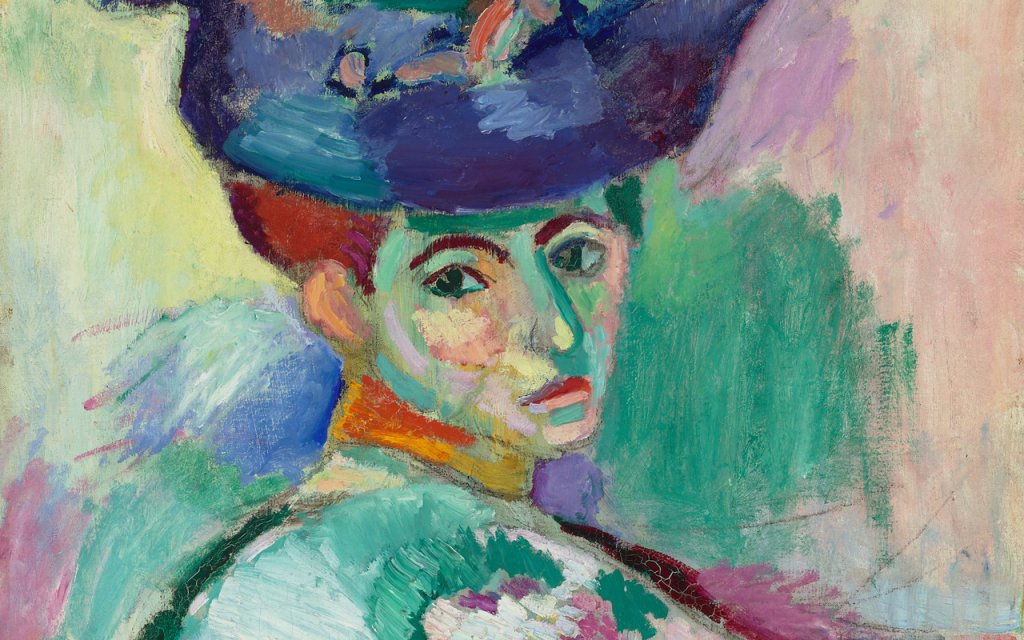
- It creates an immersive experience that shows Matisse’s lasting vision. The SFMOMA exhibition called Matisse’s Femme au chapeau: A Modern Scandal revisits the painting that first appeared in Paris during the 1905 debut at the Salon d’Automne. The work shocked viewers with colors that did not reflect reality and brushstrokes that seemed untamed. Critics labeled it a scandal, yet it signaled a break from tradition. The show brings together photographs, letters and early reviews to explain why the image was so controversial. Looking at these materials helps readers see how one painting can challenge what society expects.
Matisse’s style sparked the Fauvism movement, a short‑lived group that prized bright hues and wild brushwork over careful realism. He painted dreams and myths, turning ordinary scenes into vivid pictures that ignore the rules of light and space. The movement lasted only a few years, but its spirit lives on in any art that dares to break convention. Today, artists who use unexpected color palettes still echo Matisse’s fearless approach, showing how a single idea can inspire generations.
A partnership with Google Arts & Culture now offers AI animation that lets anyone step inside Matisse’s paintings. The team built short video loops that stretch, shift and reinterpret four early works from the museum’s collection. These clips add commentary that explains the historical setting, the artist’s technique and the public reaction at the time. By linking art with machine learning, the project shows how digital tools can make heritage accessible to people worldwide. It also gives teachers a new way to illustrate art history in class.
The core of the project uses Veo technology to create visual effects that mimic the flow of paint. Engineers trained the model on Matisse’s palette so the output feels faithful yet imaginative. Alongside the videos the platform provides educational depth, delivering short essays, audio clips and interactive quizzes that guide viewers through the painting’s story. This blend of code and context helps students and teachers explore art history with modern software. It also demonstrates how AI can preserve cultural treasures while inviting new interpretations.
When visitors wear a headset or browse the web, they enter an immersive experience that feels like walking inside Matisse’s studio. The project does not just copy the past; it re‑imagines it, letting users test how a single brushstroke can spark fresh ideas. By mixing paint, code and curiosity, the collaboration proves that Matisse vision still inspires creators today. Think about the ways you could use technology to bring another piece of history alive, and share that idea with friends or classmates.
Think about how art and code can reshape the way we experience history. You could try creating a short animation of a favorite painting using free tools, or share this story with a teacher to spark a classroom discussion. Small experiments like these show that anyone can join the conversation about the future of culture.
You can also check out our list of the Best Instagram Extensions, Best Pinterest Exensions & the Best AI Extensions.