How to Install and Use Dropbox on Chromebook and Googlebook
 by
Frank Cross
Post Updated: November 2, 2026
You can install and use Dropbox on Chromebook and Googlebook through the official Google Play Android app, native ChromeOS Files integration, or directly inside your web browser. As a premier cloud storage and document collaboration platform trusted by more than 700 million users worldwide, Dropbox makes it easy to back up camera rolls, organize project archives, scan physical paperwork into PDFs, and share large files across multiple devices without manual storage transfers.
Whether you are backing up family photo albums, coordinating client deliverables with custom passwords, or reviewing multimedia assets on the go, ChromeOS and Googlebook offer versatile pathways to keep your files synchronized. Our comprehensive guide walks you through the best installation methods, phone casting workflows, native file manager integration, and practical troubleshooting steps to optimize your cloud workflow.
Need assistance configuring selective sync or setting up enterprise folder permissions on your device? Contact us with your laptop details and our team will be glad to help.
How to install Dropbox on Chromebook and Googlebook
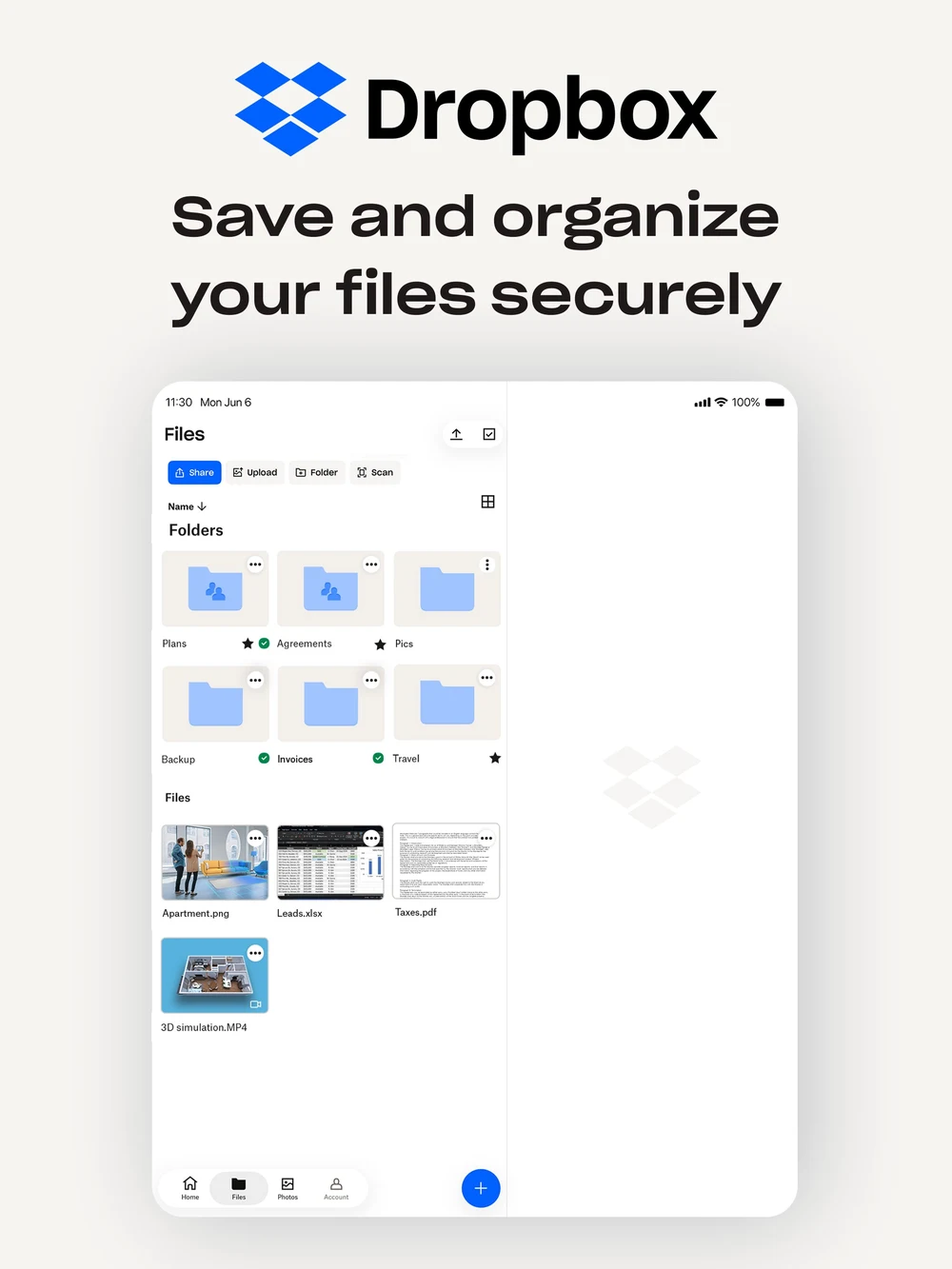
The most feature-rich method for running Dropbox on ChromeOS hardware is installing the official Android application via Google Play. The app links directly with your system file manager, provides offline local caching, and automates media backups:
If the Play Store is not visible on your screen, refer to Google’s official Android app setup guide for Chromebook and our companion guide on installing apps on Googlebook. Note that school or enterprise managed devices may restrict third-party Play Store downloads. In managed environments, you can open Chrome and navigate to dropbox.com to upload, manage, and share documents directly via the browser client without installing local software. Power users can also deploy the official Dropbox Linux CLI daemon through the ChromeOS Linux environment.
Cast Dropbox from your phone on Googlebook
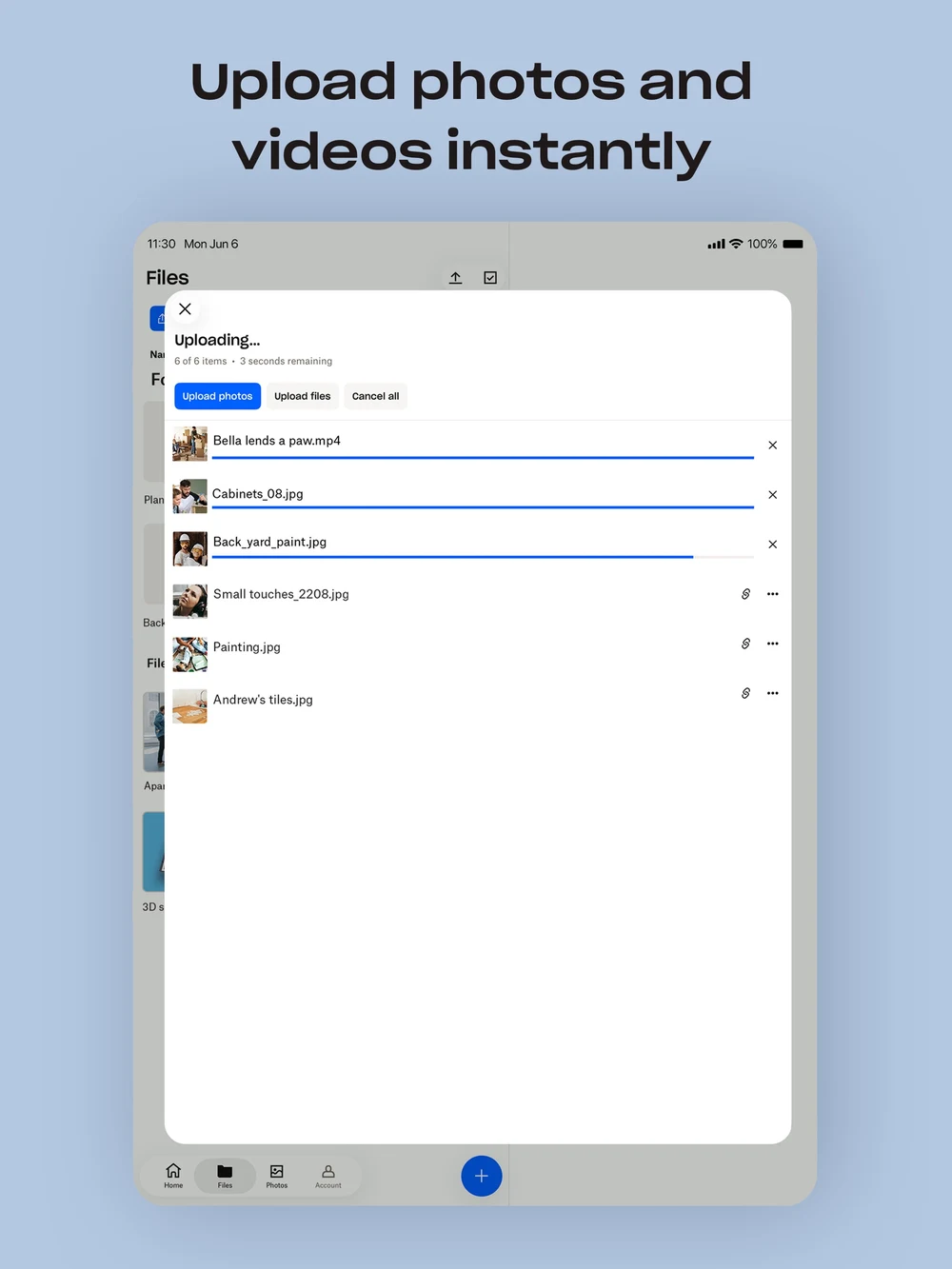
Googlebook users can also access Dropbox seamlessly through native phone hub streaming. Using Cast My Apps from the Googlebook phone hub, you can wirelessly stream your phone’s active Dropbox session, review mobile camera uploads, and access recently scanned paperwork directly onto your desktop workspace without transferring files, configuring cables, or running duplicate local instances.
ChromeOS Files app integration and offline storage sync
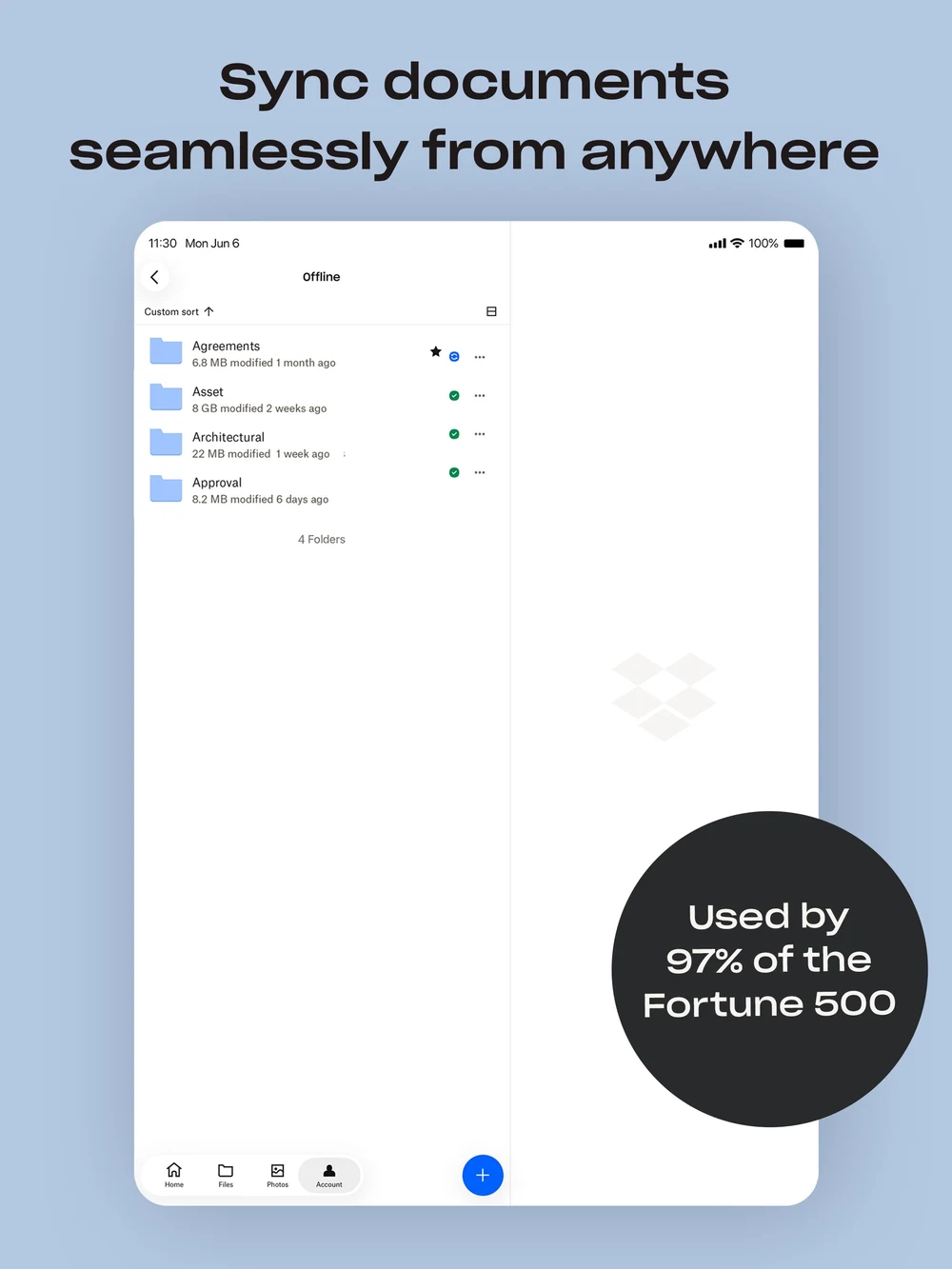
Dropbox offers deep integration with ChromeOS, allowing you to access cloud assets like native local drives while managing your storage footprint efficiently:
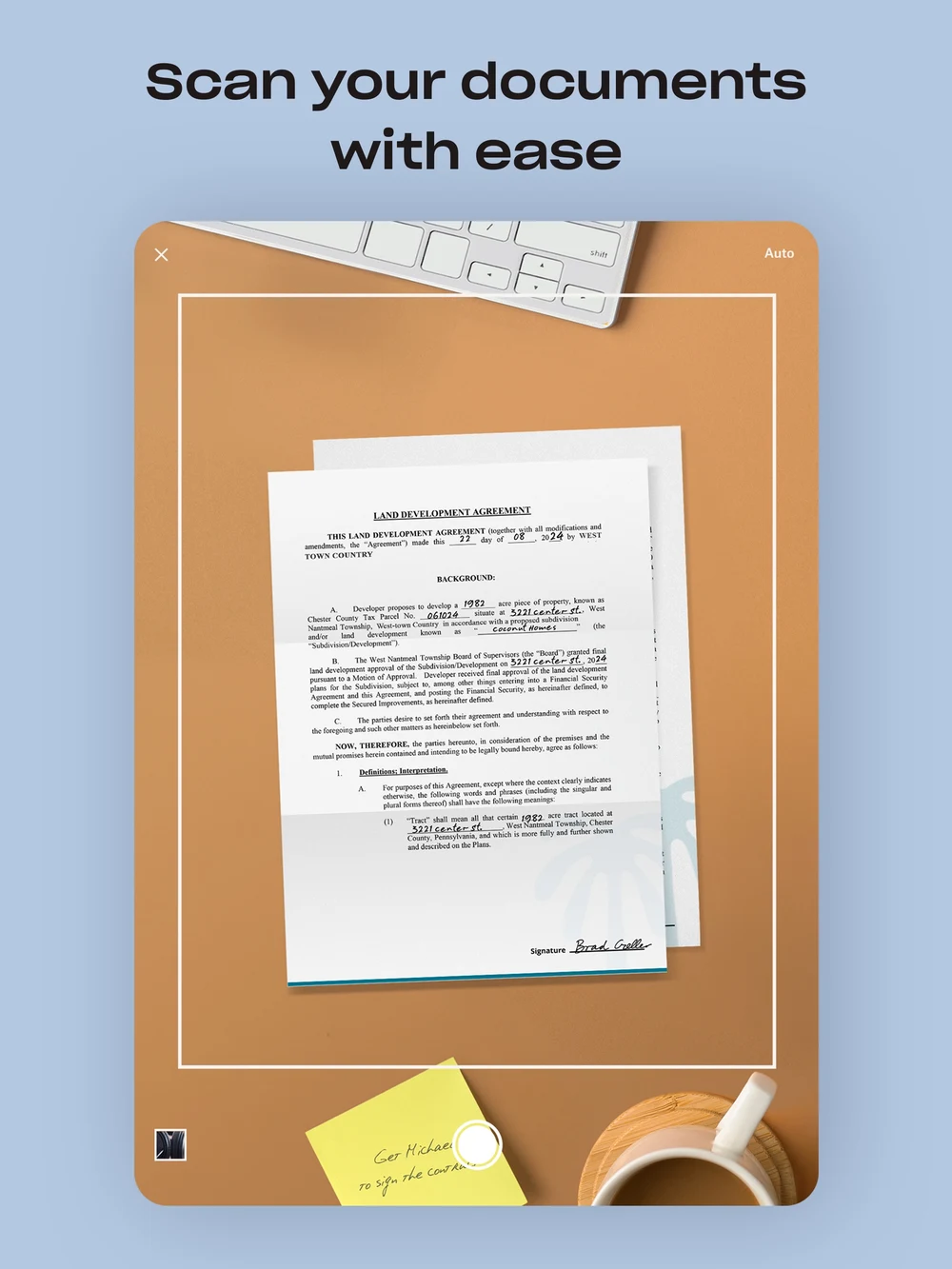
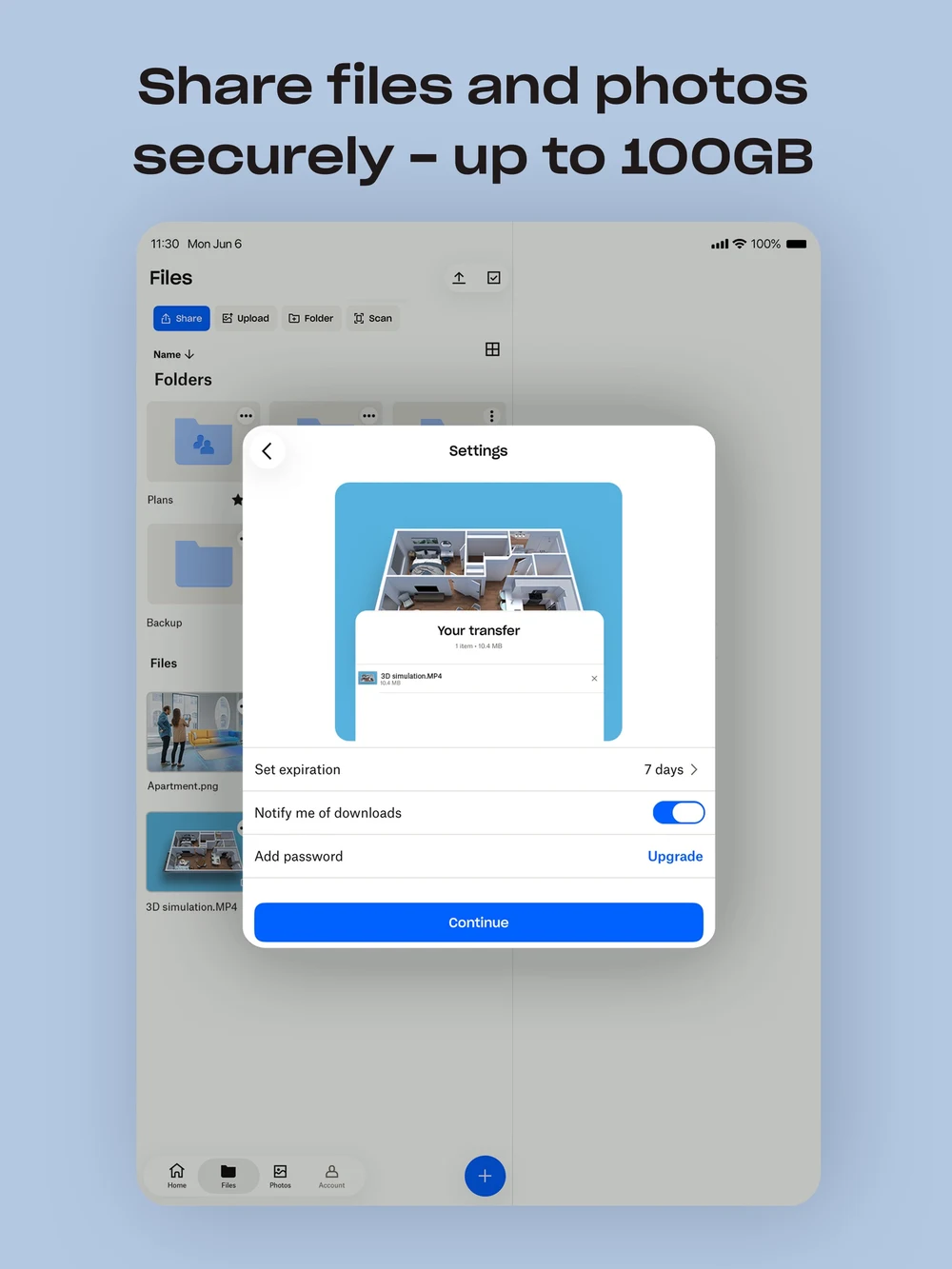
Document scanning and large file sharing with Dropbox Transfer
Dropbox combines powerful capture tools with high-capacity sharing capabilities designed for professional workflows:
Install desktop Dropbox via ChromeOS Linux (Crostini)
For developers and power users who require background directory synchronization to a true local Linux path (`~/Dropbox`), installing the official headless Dropbox daemon inside the ChromeOS Linux container delivers full workstation parity:
cd ~ && wget -O - "https://www.dropbox.com/download?plat=lnx.x86_64" | tar xzf -~/.dropbox-dist/dropboxd &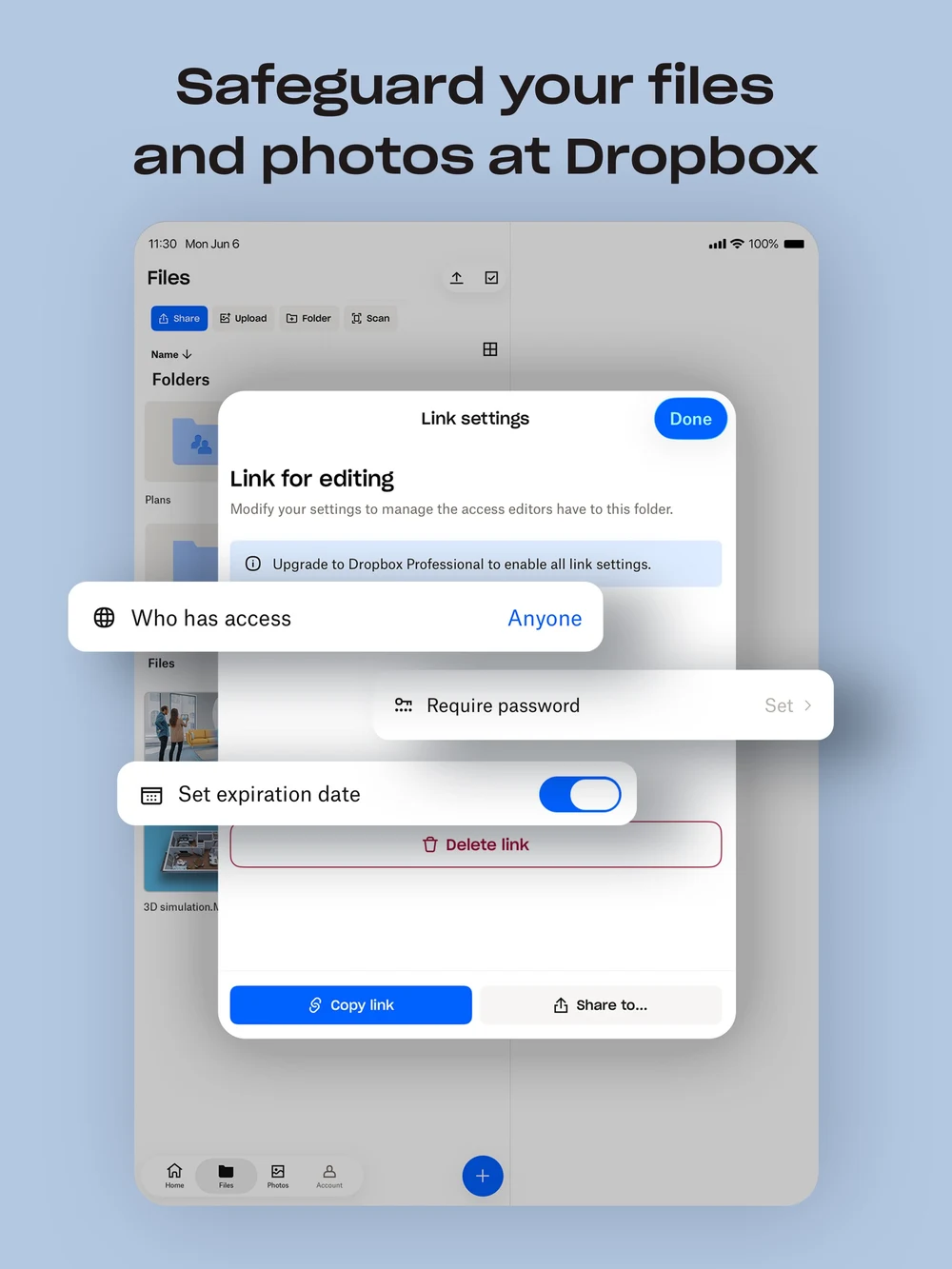
Dropbox Android app vs. Web client vs. Linux daemon
Select the most effective method for using Dropbox on your Chromebook based on your hardware capabilities and synchronization needs:
Troubleshooting common Dropbox issues on ChromeOS
If you encounter synchronization errors, missing files, or installation blocks on your Chromebook, apply these verified solutions:
Frequently asked questions about Dropbox on Chromebook
How do I access Dropbox directly from the ChromeOS Files app?
Once you install the Dropbox Android app from Google Play and log in, Dropbox automatically registers with ChromeOS. Open your native Files app, and you will see Dropbox mounted in the left-hand navigation sidebar under your storage locations. You can drag, drop, and organize files between your Chromebook local disk and Dropbox cloud storage without opening the separate mobile app.
Can I use Dropbox on a Chromebook without installing an app?
Yes. You can access your full Dropbox account by navigating to dropbox.com in Google Chrome. The web client lets you drag and drop files directly into browser folders, preview over 175 document formats, create Dropbox Paper documents, and generate shareable links without taking up any local SSD storage on your Chromebook or Googlebook.
How do I make Dropbox files available offline on Chromebook?
Open the Dropbox Android app on your device, navigate to the specific file or folder you need while traveling, tap the three dots icon next to the filename, and toggle on ‘Available offline’. Dropbox downloads a local copy to your device storage, allowing you to view and edit files without an active Wi-Fi or cellular internet connection.
Is Dropbox free to use on Chromebook and Googlebook?
Yes. Dropbox provides a free Basic tier that includes 2GB of cloud storage, cross-device file synchronization, document scanning, and 3-device linking. Users requiring additional capacity can upgrade to Dropbox Plus (2TB) or Dropbox Essentials (3TB) through Google Play subscription management or via dropbox.com.
How do I fix Dropbox if my school or company Chromebook blocks Google Play?
If your educational institution or enterprise administrator has disabled the Google Play Store, simply launch Google Chrome and visit dropbox.com. The web version bypasses local app installation restrictions completely, allowing you to upload coursework, collaborate on shared team folders, and download resources using standard secure HTTPS web protocols.
Explore more cloud productivity and storage tools
Looking to build an efficient productivity workflow on your device? Capture research notes and draft project documentation with Evernote on Chromebook, track daily deliverables and team checklists using Microsoft To Do on Chromebook, and host video review meetings with Zoom on Chromebook. You can also access remote desktop files and office workstations using Chrome Remote Desktop on Chromebook.
Discover more from Chrome Geek
Subscribe to get the latest posts sent to your email.