
Googlebook Libra Leak Points to a Dell Intel Core Series 3 Laptop
 by
Sophie Sullivan
Post Updated: November 9, 2026
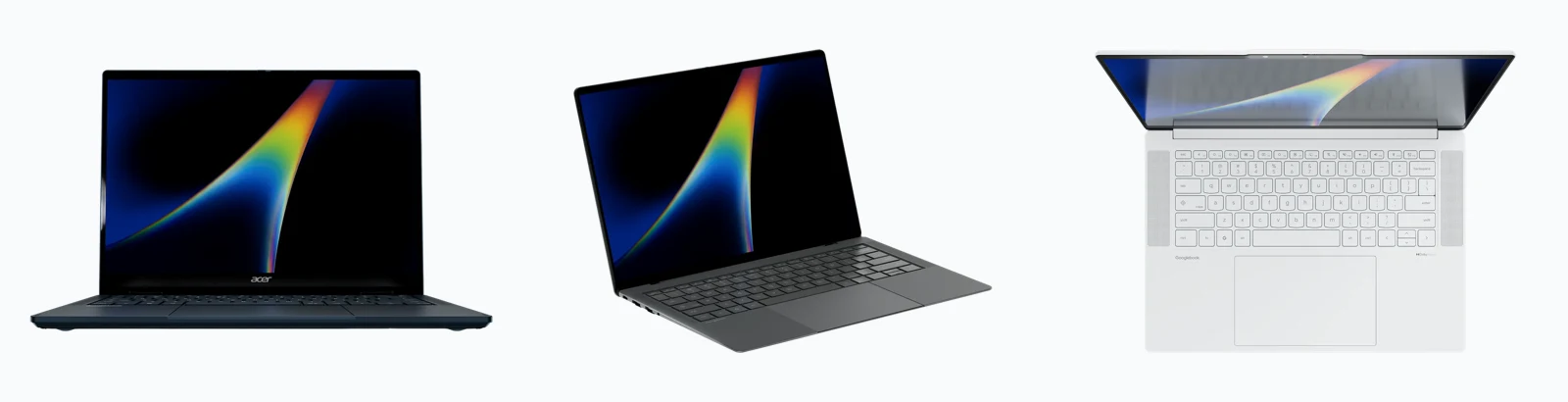
A new Googlebook is taking shape in Google’s open source code. A board codenamed Libra was added to Google’s firmware code this weekend, and it runs on Intel’s new Core Series 3 chips (codenamed Wildcat Lake). GbookHub was first to spot the project, and the clues it found, which we checked against the code ourselves, point to Dell as the likely maker.
1. What Libra is
A new board, not a new chip: Google builds a reference design for each new laptop chip, and laptop makers then create their own versions of it, called variants. For Intel’s Core Series 3 chips, that reference design is called Ocelot. Libra is the newest Ocelot variant.
Why Core Series 3 matters: Intel’s Core Series 3 chips (Wildcat Lake) are aimed at mainstream and budget laptops, not the premium tier. The firmware code even sets Libra’s power limits to Intel’s standard Wildcat Lake defaults. So Libra looks like part of a more affordable wave of Googlebooks, after the first five launch models that started at the high end.
2. What the code tells us
The main change: the Libra firmware change that was merged into Google’s ChromiumOS code on November 8 lists the basics. It sets up LPDDR5X memory, a single NVMe SSD, Intel’s built-in Wi-Fi (CNVi), two USB-C ports, Realtek SoundWire audio and a USB camera. For now the USB-C ports are set up for USB and DisplayPort only.
Keyboard, charging and battery: a run of follow-up commits from November 6 and 7 adds a custom keyboard layout, a single USB-C power controller, a Texas Instruments charging chip and a custom battery. Another battery entry appeared this morning, but that change was abandoned, so battery suppliers may still change.
Still unfinished: the code itself says touch support is switched off for now, sensors and thermal settings are incomplete, and the firmware has not been tested on real hardware yet.
Reading the table: Confirmed means we saw it in Google’s public code. Unconfirmed means it comes from code clues or GbookHub’s reading of them, and could change before launch.
3. Why it points to Dell
The engineers: the Libra firmware work comes from engineers at Luxshare, a big contract manufacturer. The same Luxshare engineer who started the Libra project also worked on Mica, which GbookHub identifies as the Dell XPS Googlebook board, and on Annite, another Snapdragon board GbookHub expects to come from Dell.
The battery: GbookHub also notes that Libra’s battery entry follows the same naming pattern as the battery in the Dell XPS Googlebook, which is typical of Dell devices.
Our caution: none of this is proof. Contract manufacturers work with several brands, and Dell hasn’t said anything about a new Googlebook. Treat Dell as a strong guess, not a fact.
4. Part of a bigger Intel wave
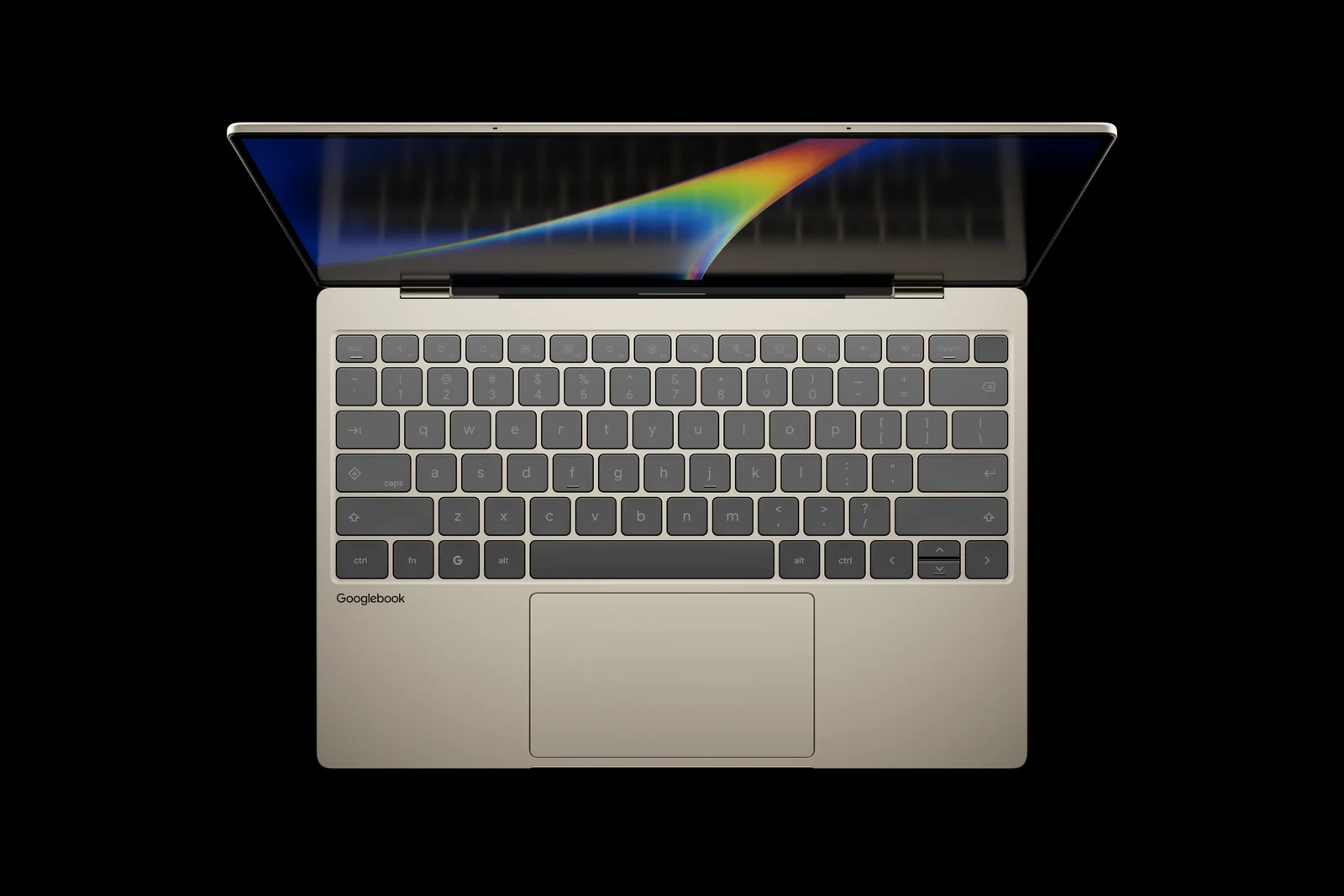
Eight boards so far: GbookHub counts eight Ocelot variants in development. It links Matsu to Acer, Hekla to ASUS, Ocicat and Coolum to HP, Blanc to Lenovo and now Libra to Dell, while Ojal and Kodkod have no known maker yet. Coolum and Blanc show up in Google’s public code too.
What that means: every brand that launched a first-generation Googlebook appears to have a Core Series 3 model in the works. That is a good sign for anyone who loved the Googlebook idea but not the launch prices.
Our take
Libra is early, but it is the kind of leak we like: real code, real engineers and a clear direction. The first Googlebooks were premium laptops, and a wave of Intel Core Series 3 models from all five launch brands is how Googlebook OS reaches the students, families and budget buyers who made Chromebooks popular. Don’t hold off on a laptop you need now, since Libra is likely a 2027 machine. We will keep watching the code and update this post when Dell or Google says more.
Sources: GbookHub (first to report) and Google’s public ChromiumOS code.
Read more: Googlebook detachables are coming soon, our roundup of all five Googlebook reviews and the Googlebook November update.
Discover more from Chrome Geek
Subscribe to get the latest posts sent to your email.