How to Install and Use JSTorrent on Chromebook and Googlebook
 by
Juniya Sankara
Post Updated: October 28, 2026
You can install and use JSTorrent on Chromebook and Googlebook through the official app from Google Play and its companion Chrome extension. It provides a lightweight, open-source BitTorrent client designed for ChromeOS that handles magnet links, .torrent files, and multi-gigabyte downloads smoothly without background bloat.
Googlebook runs Android apps natively through Google Play, giving you the same dependable downloading performance alongside phone-app casting. This guide walks you through the Google Play installation, Chrome browser extension pairing, storage folder setup, selective file downloading, and swarm metrics tracking.
Need help configuring your download folder? Contact us with your laptop model and any setup questions.

Choose JSTorrent Android app or Chrome extension
The official Google Play listing identifies JSTorrent with package name com.jstorrent.app, maintained by original creator Kyle Graehl. Unlike the retired legacy packaged Chrome app from earlier years, the modern client operates as a robust native application via Google Play, pairing optionally with the official Chrome extension for seamless browser workflow.
How to install JSTorrent on Chromebook and Googlebook
If the Play Store is not visible, check Google’s Android app setup guide for Chromebook or the guide on installing apps on Googlebook. On school or workplace laptops, administrator policies may limit Play Store downloads. If app installs are restricted, you can still explore Linux torrent packages (such as Transmission or qBittorrent via sudo apt install transmission-gtk) when the Linux development environment is enabled.
Cast JSTorrent from your phone on Googlebook
If you already have your favorite torrents and downloads running in JSTorrent on your Android phone, Googlebook’s Cast My Apps feature lets you control your phone’s JSTorrent client directly on your laptop display. Connect your phone through the Googlebook phone hub setup, open Cast My Apps, and select JSTorrent. This lets you monitor active download progress, add new magnet links, and inspect finished files on a larger screen without transferring files between devices.
Configuring download folders and selective file downloads
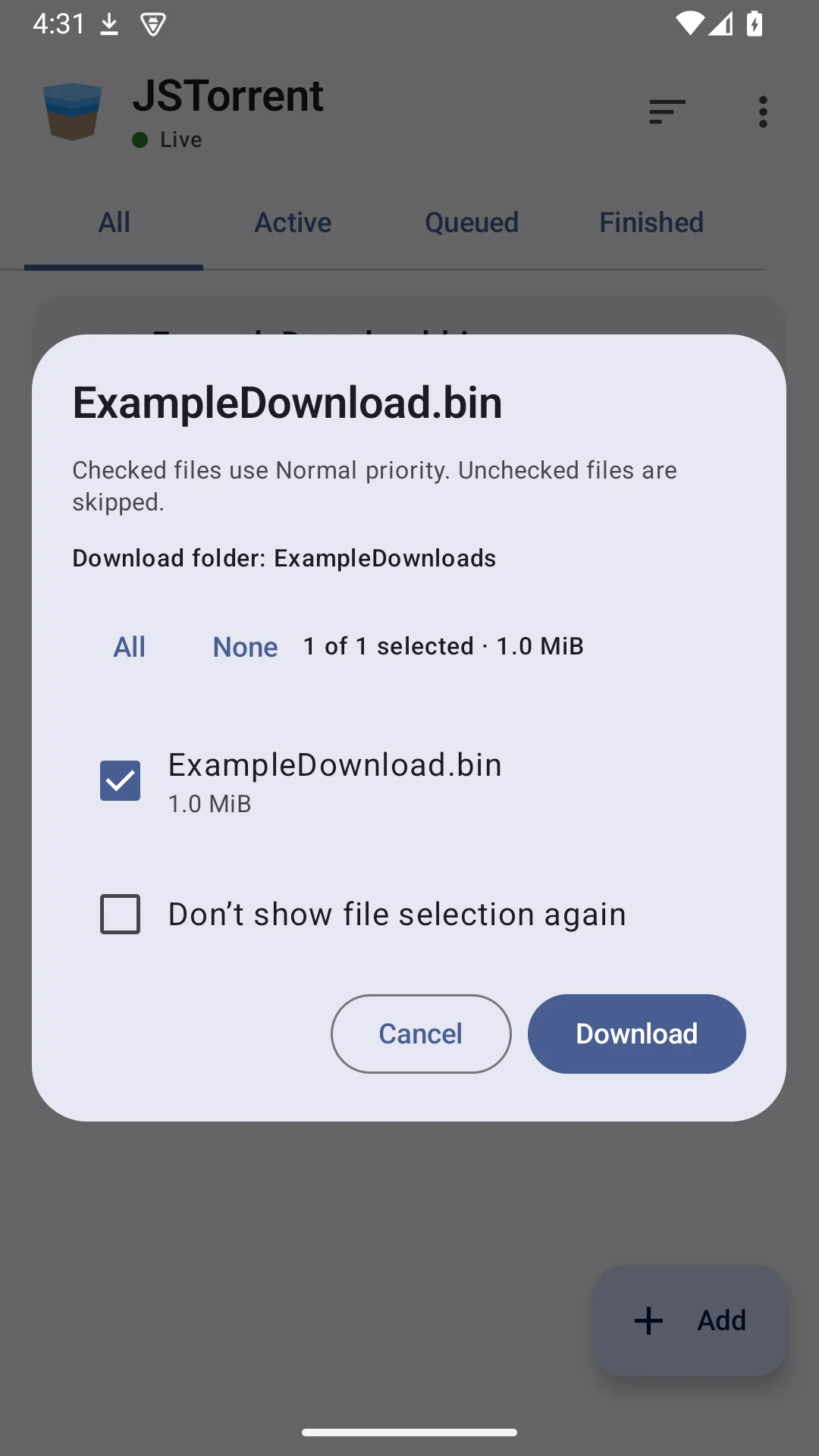
To get reliable download speeds without exhausting your Chromebook’s local storage, configure your target folders and file selections carefully:
Managing magnet links and monitoring swarm metrics
Downloading torrents on ChromeOS is simple once file associations and browser permissions are set up:
- Clicking magnet links in Chrome: with the JSTorrent Chrome extension active, clicking any public magnet link opens the download dialog directly in the app.
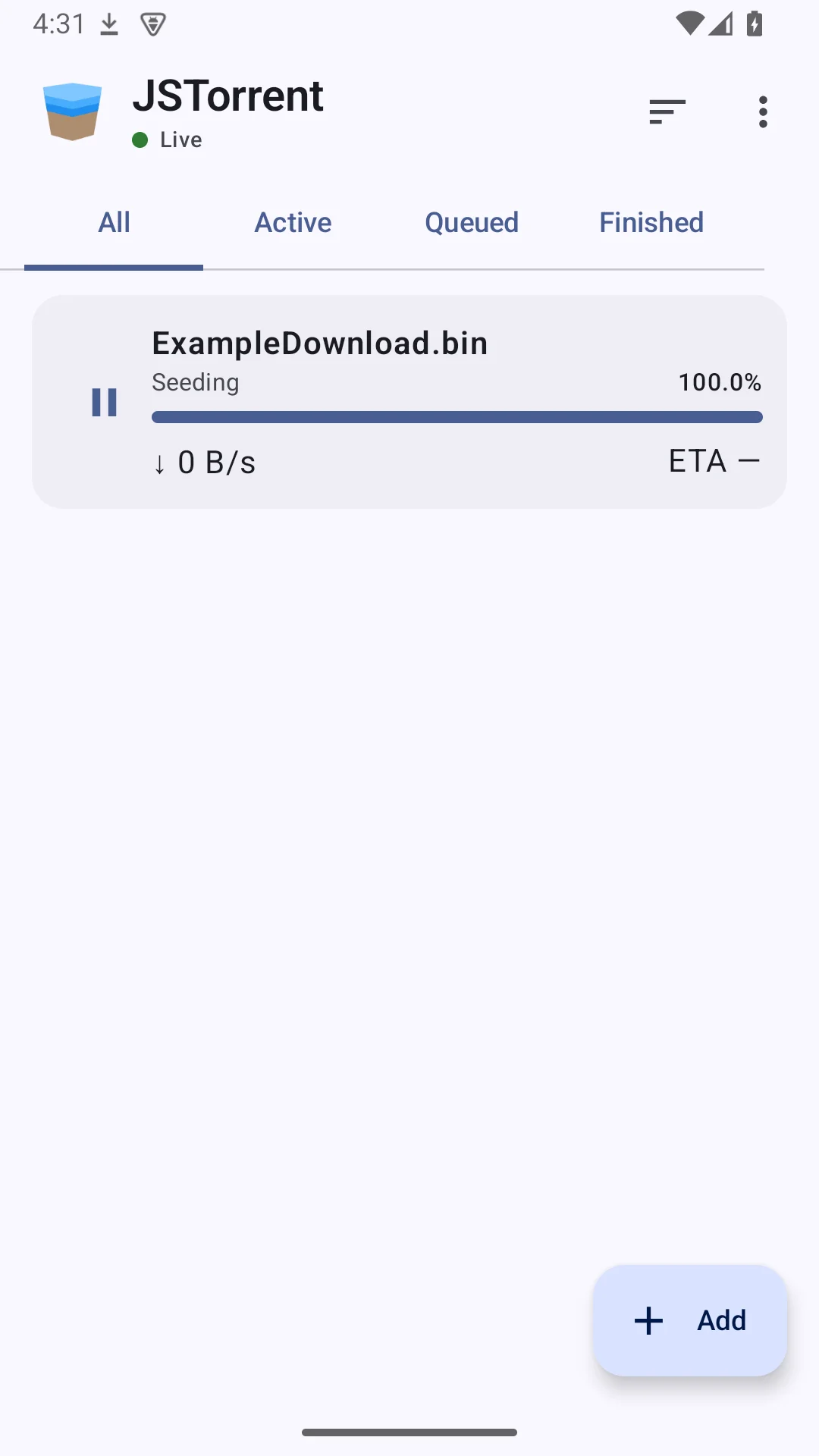
- Adding .torrent files manually: tap the + Add floating action button in JSTorrent, paste a direct link, or open a downloaded .torrent file from the Files app.
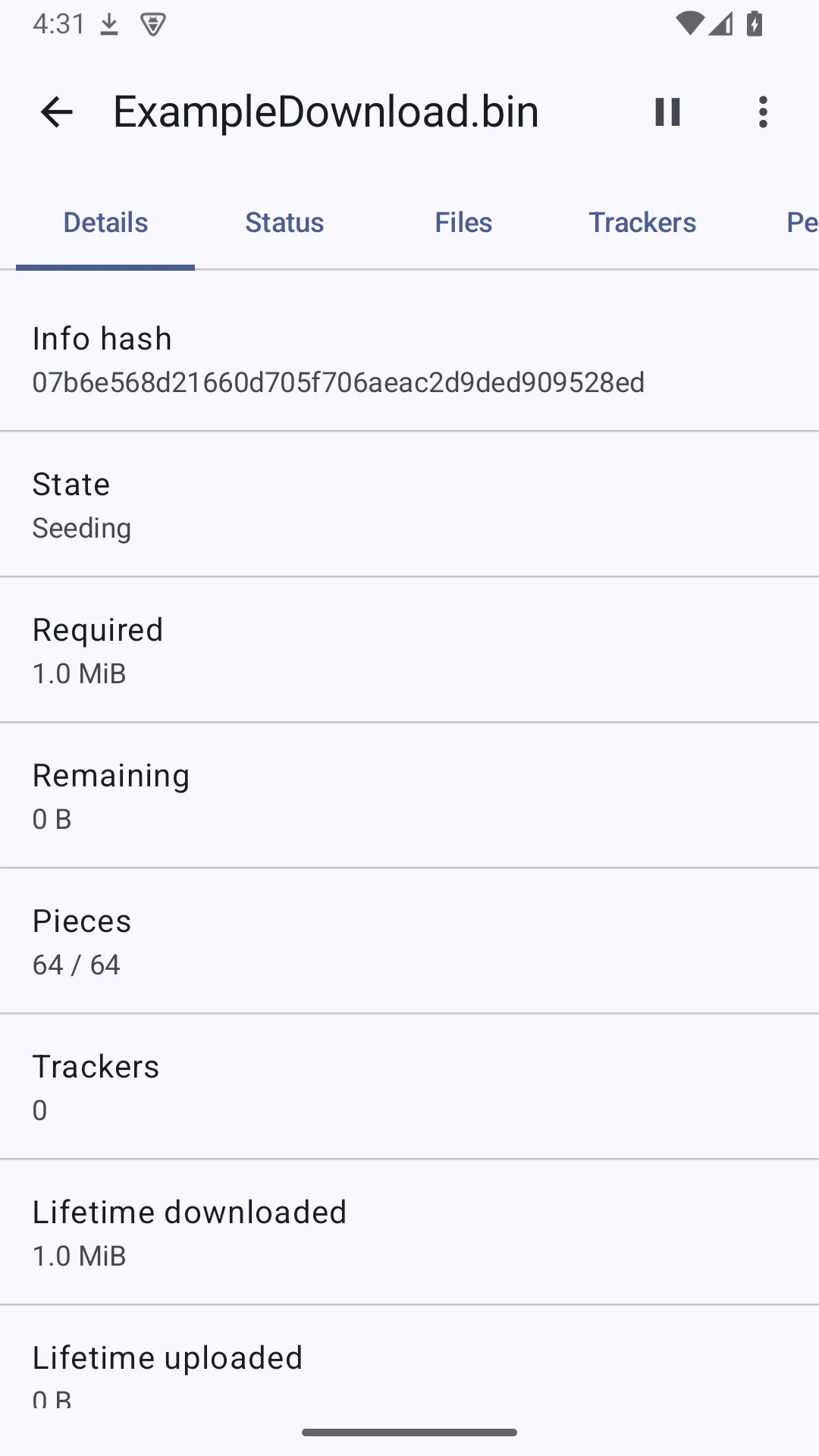
- Tracking swarm health: open the Details and Status tabs to monitor connected seeders, remaining bytes, download speeds, and verified pieces (64/64).
- Inspecting trackers and peers: switch to the Trackers tab to review announce URLs, response status, and peer connections in real time.
Playing downloaded media on Chromebook
Once your download finishes, you can organize and enjoy your media files directly on your Chromebook:
- Multi-format playback with VLC: for smooth playback across MKV, MP4, AVI, and FLAC audio files with subtitle tracks, open your downloads using VLC on Chromebook.
- Alternative P2P clients: if you need features like Wi-Fi only download toggles or built-in media streaming, compare with uTorrent on Chromebook.
- Freeing internal storage: move finished videos and archives to Google Drive or an external USB drive via the Files app to keep your internal SSD clean.
Quick fixes for common JSTorrent issues on Chromebook
- Downloads pause when switching apps: ChromeOS may put background Android apps to sleep. Open ChromeOS Settings > Apps > Manage your apps > JSTorrent > Battery, and set battery usage to Unrestricted.
- Storage permission or write errors: open JSTorrent Storage settings, tap Repair, and select your Downloads directory again to re-authorize ChromeOS folder permissions.
- Magnet links do not open automatically: verify that the JSTorrent extension is installed from the Chrome Web Store and permitted to access page links in Chrome extension settings.
- Download speed stuck at 0 B/s: check that the torrent has active seeders. If connected to a school or workplace Wi-Fi network, network firewalls may block peer-to-peer traffic.
Related download and media guides
- Best Download Manager Extensions for Chrome: Compare top browser download accelerators, queue managers, and file grabbers.
- Best Media Players on Chromebook: Find top video and audio players for local playback and external drive media.
- MX Player on Chromebook: Set up hardware acceleration, subtitle gestures, and video playback controls.
- How to Play DVDs on a Chromebook Without Using Windows: Connect an external optical drive and play DVD movies without Windows.
Frequently asked questions
Is JSTorrent free on Chromebook and Googlebook?
Does JSTorrent still work after Google phased out Chrome Apps?
How do I install JSTorrent on a Googlebook?
Where does JSTorrent save downloaded files on ChromeOS?
Do I need both the Android app and the Chrome extension?
Discover more from Chrome Geek
Subscribe to get the latest posts sent to your email.